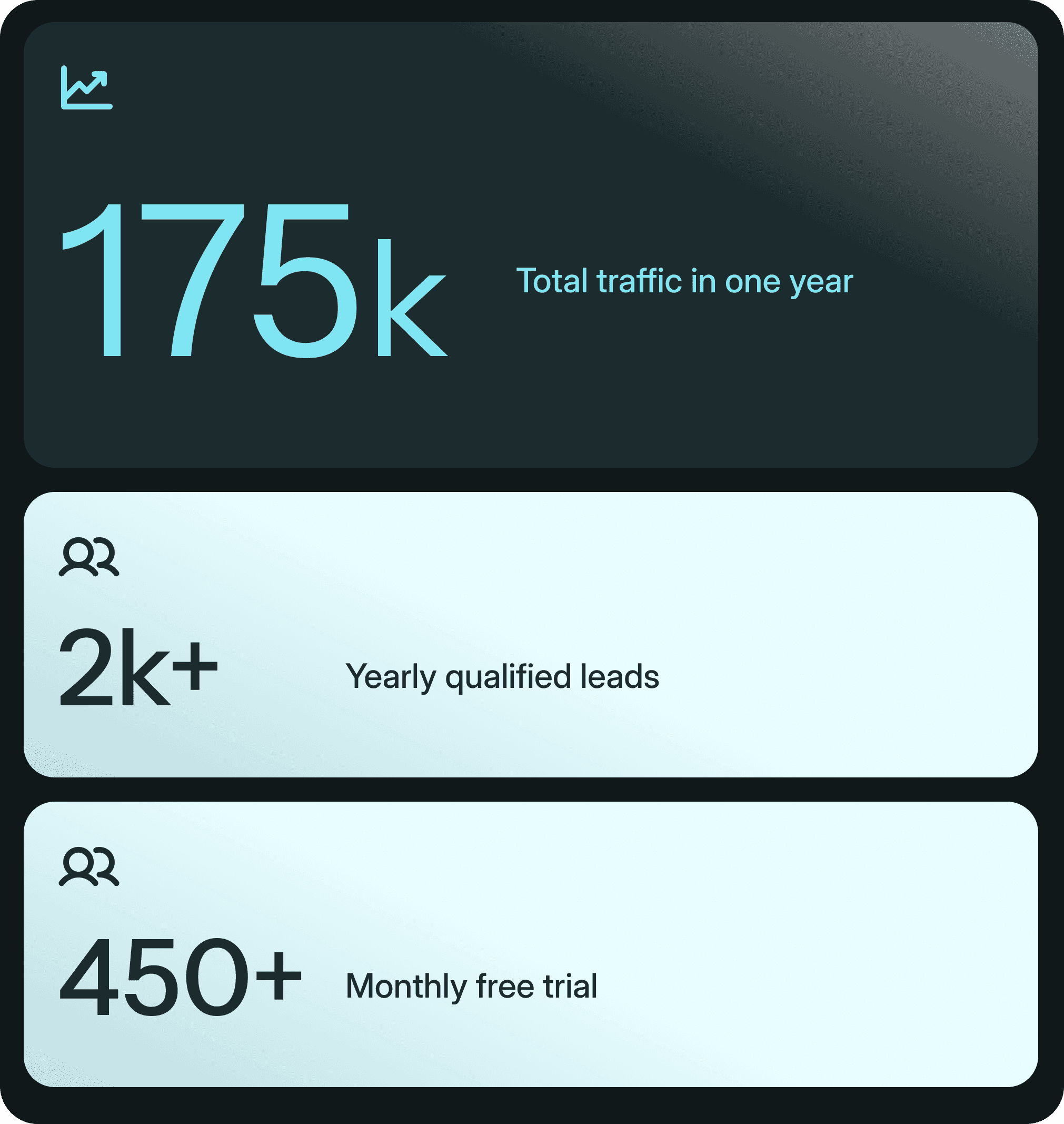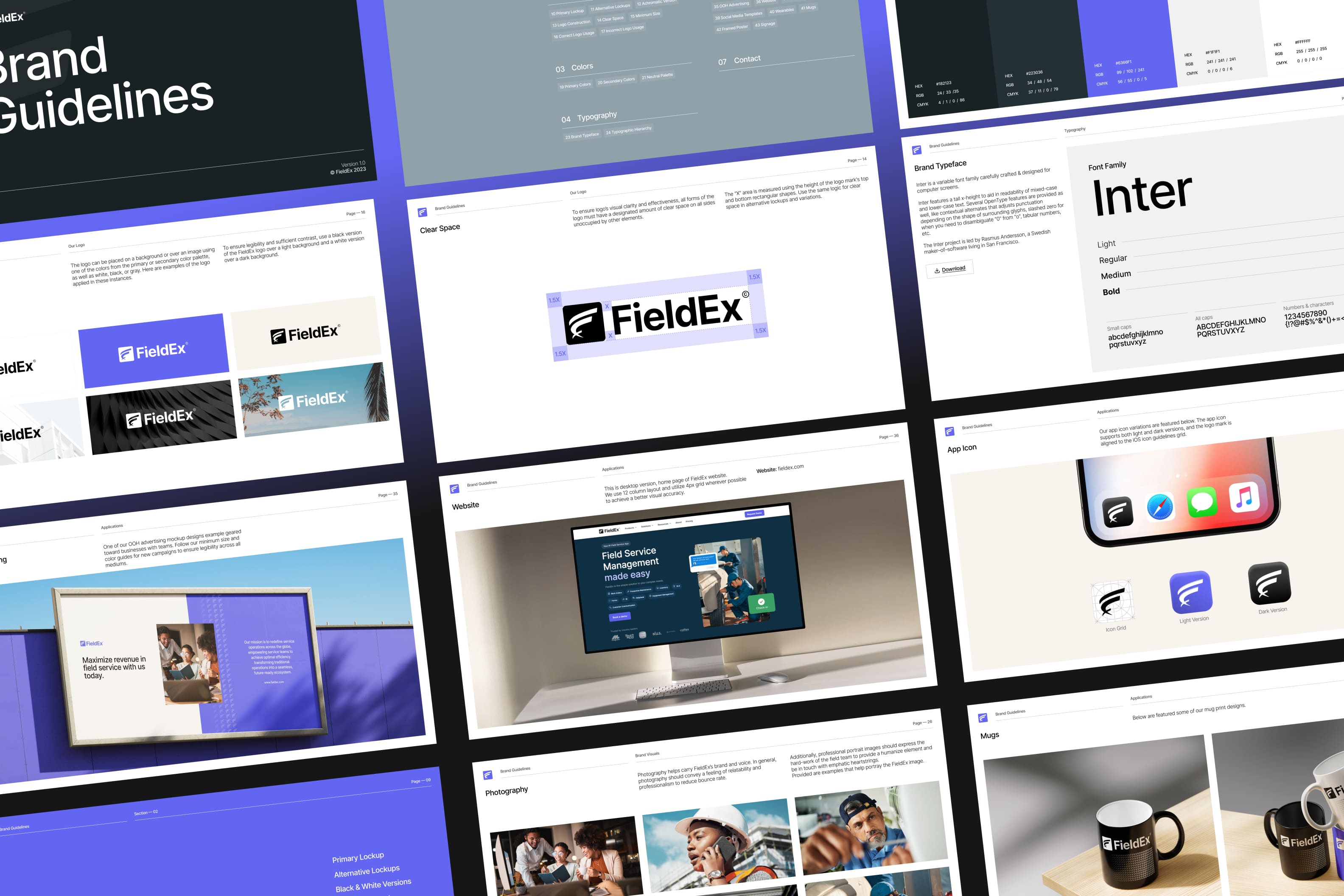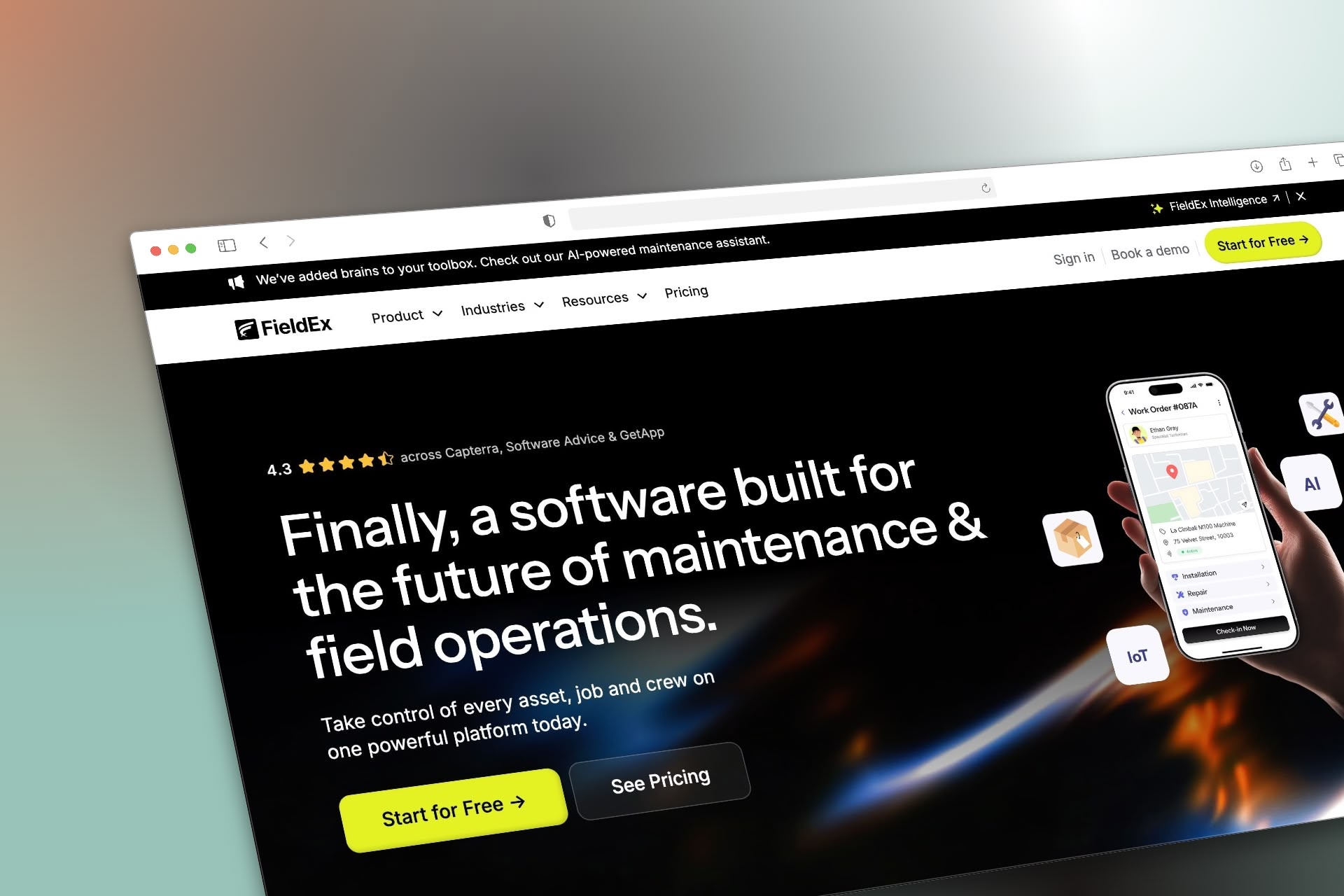
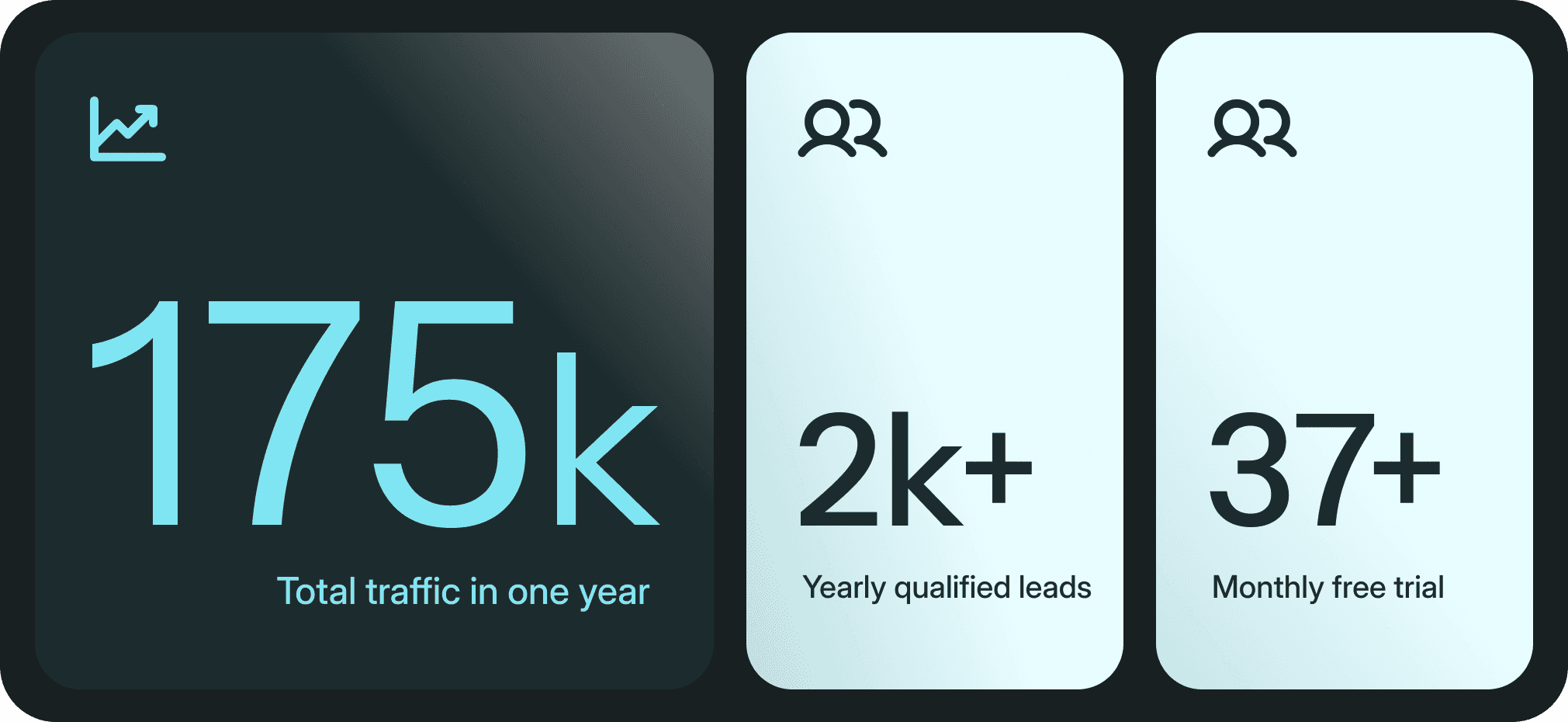
With just a lean in-house team of 3 and strategic use of freelancers and vendors, we reimagined the brand, rebuilt the entire digital infrastructure, and implemented a full-funnel marketing system that brought in 175,000+ organic and paid visitors, 2,000+ qualified leads, and drastically lowered CAC
From 0 → Predictable Pipeline Across SEO, AEO, Paid, and Outbound
Overview
When I took over marketing at FieldEx, we didn’t have a growth problem.
We had a system problem.
No consistent inbound
No structured outbound
No attribution clarity
No compounding channels
Everything was manual. Unpredictable. Reactive.
The goal wasn’t just to “get more leads.”
It was to build a multi-channel demand engine that:
Compounds over time (SEO, AEO)
Scales on demand (paid, outbound)
Converts efficiently (website, CRO)
1. SEO — The Foundation (Deep Dive)
SEO wasn’t a tactic.
It was the core growth engine.
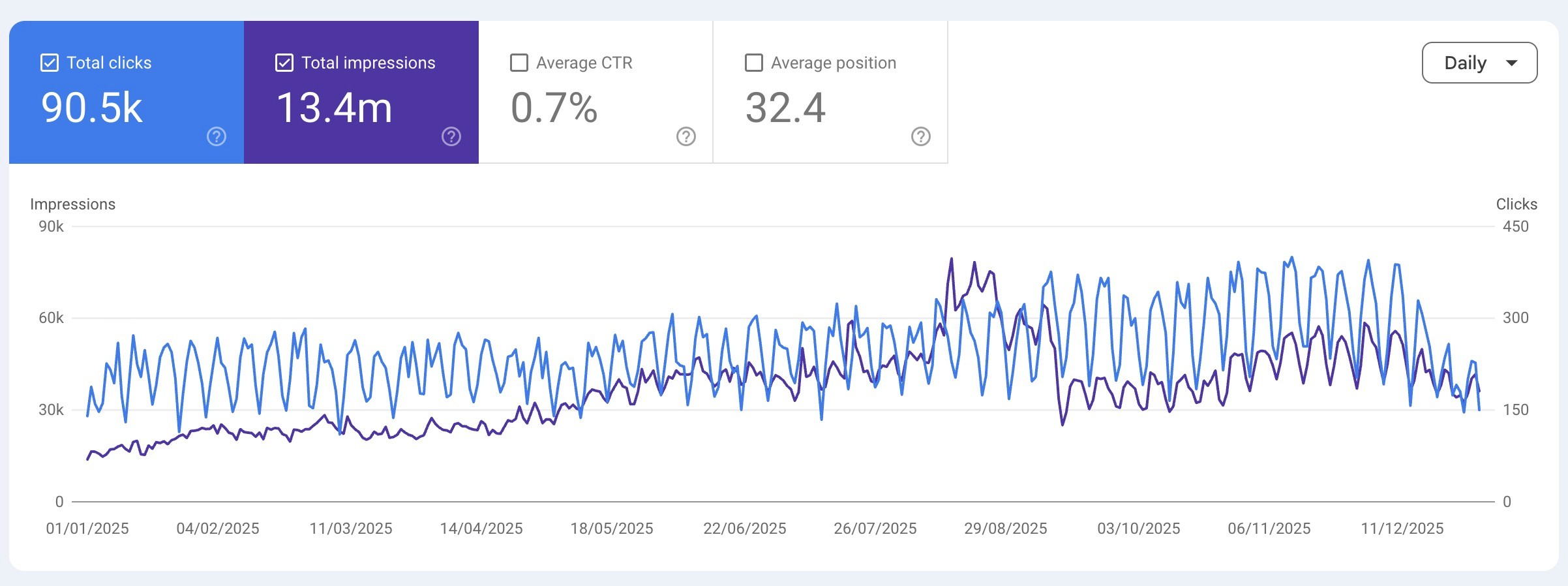
What I've achieved
0 → 175,000 + quality traffic in one year
Majority inbound-driven pipeline
Compounding growth (month-on-month)
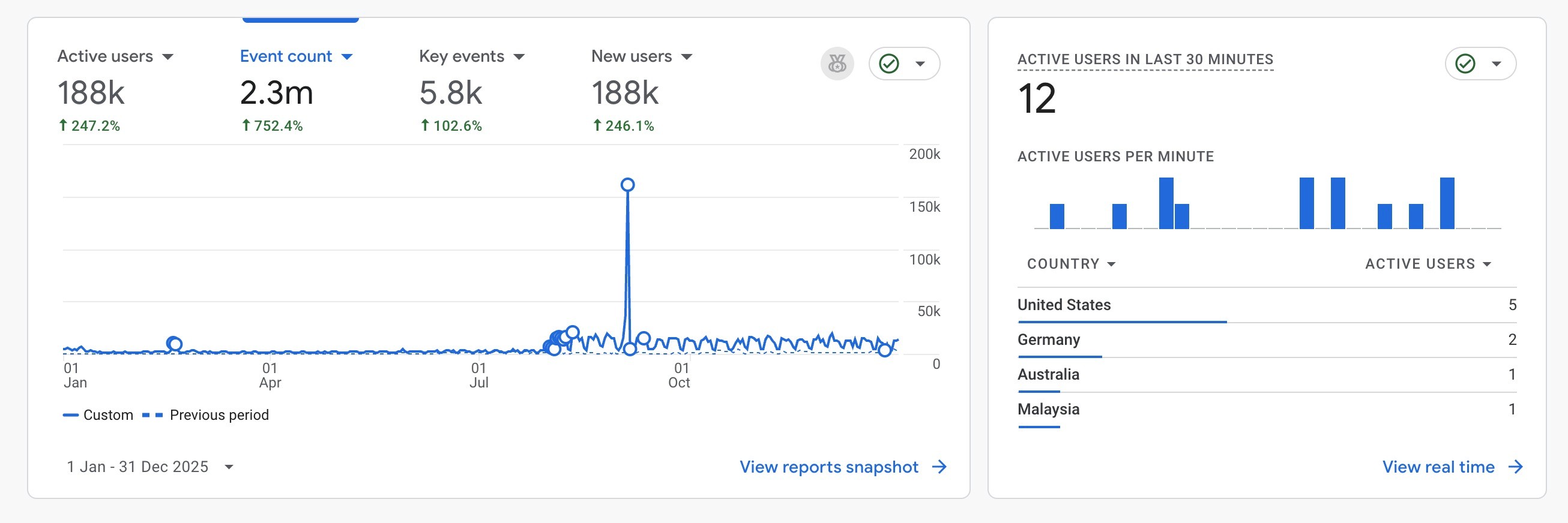
Ignore the spike, it was paid ads test
Step 1: Keyword Strategy (Intent > Volume)
We didn’t chase traffic.
We chased buyers.
Keyword Buckets
1. High-Intent (Money Pages)
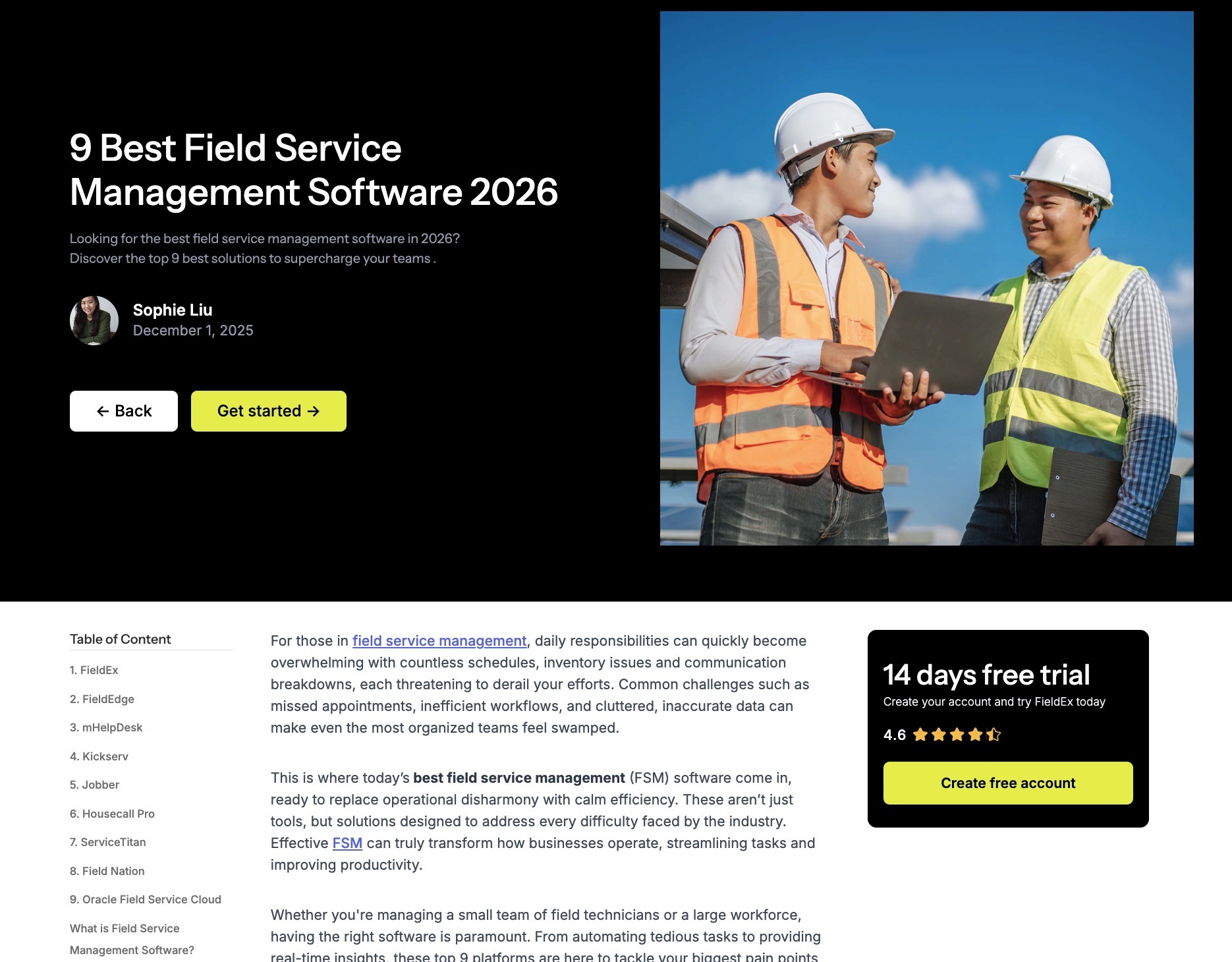
“field service management software”
“FSM software for HVAC”
“best field service software”
These drive demo-ready traffic.
2. Problem-Aware
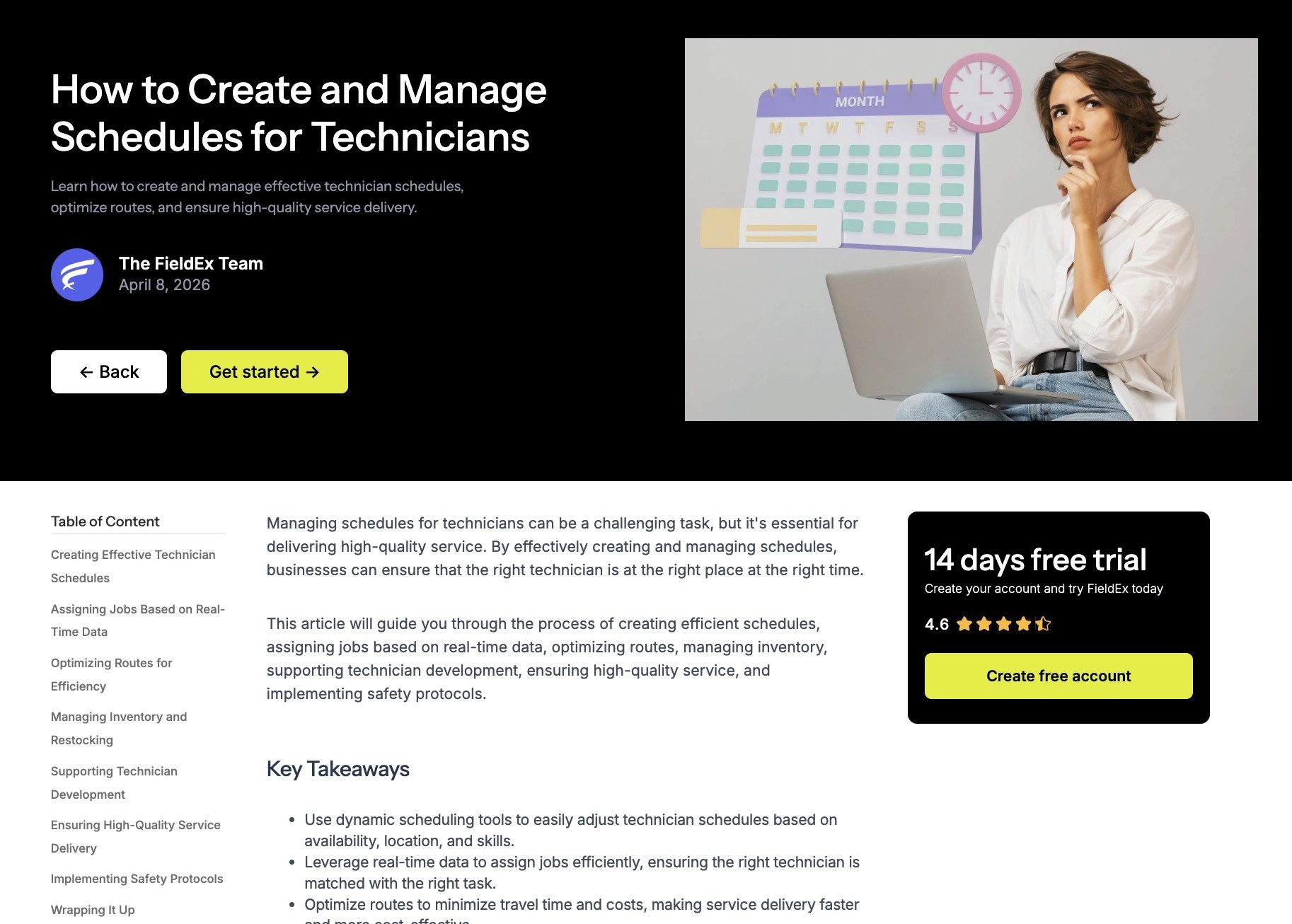
“how to schedule field technicians”
“reduce field service downtime”
“job dispatching software”
These capture mid-funnel demand.
3. Competitor SEO
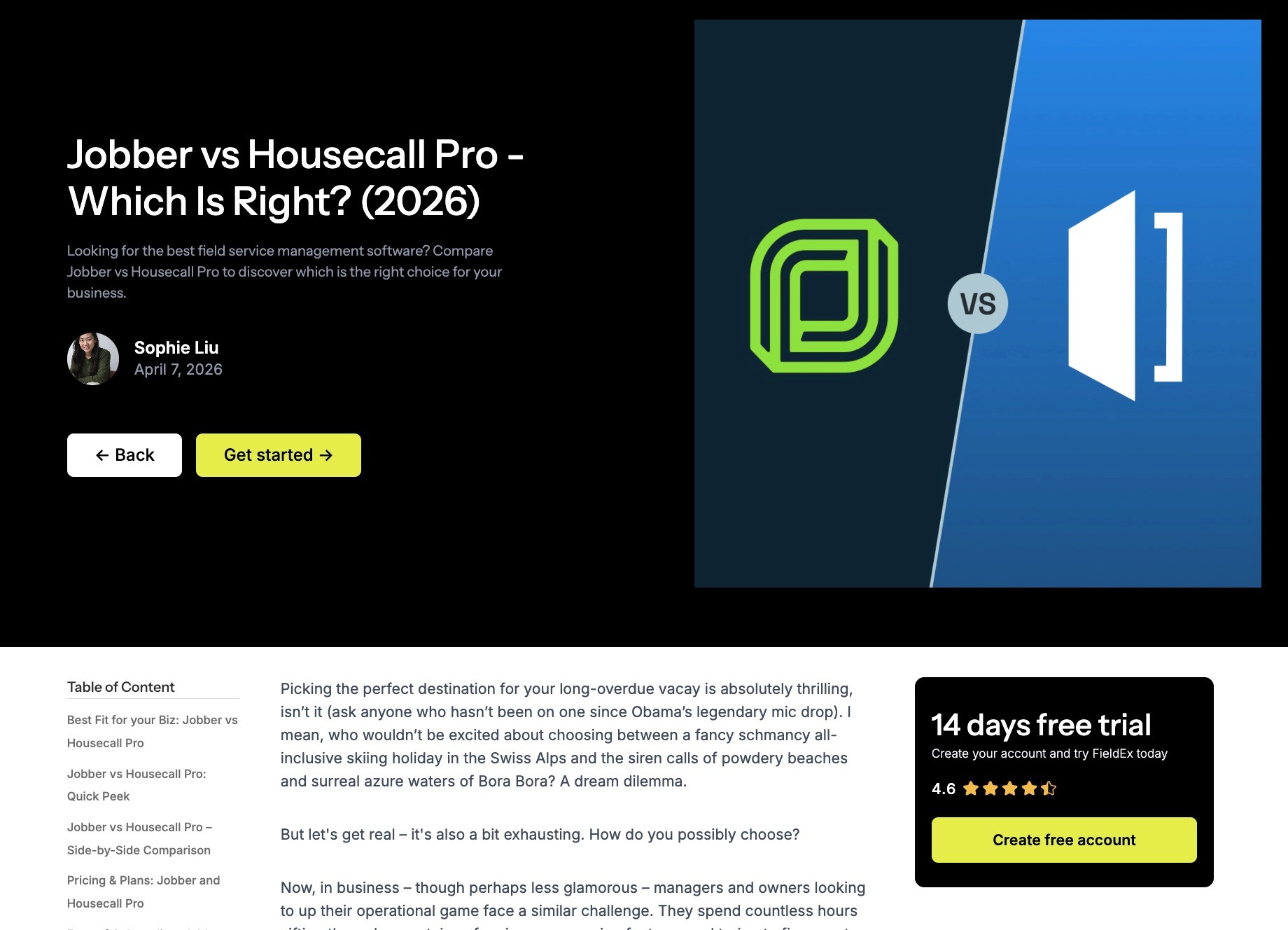
“ServiceTitan alternatives”
“Jobber vs Housecall Pro”
These convert extremely well.
4. Long-Tail Programmatic
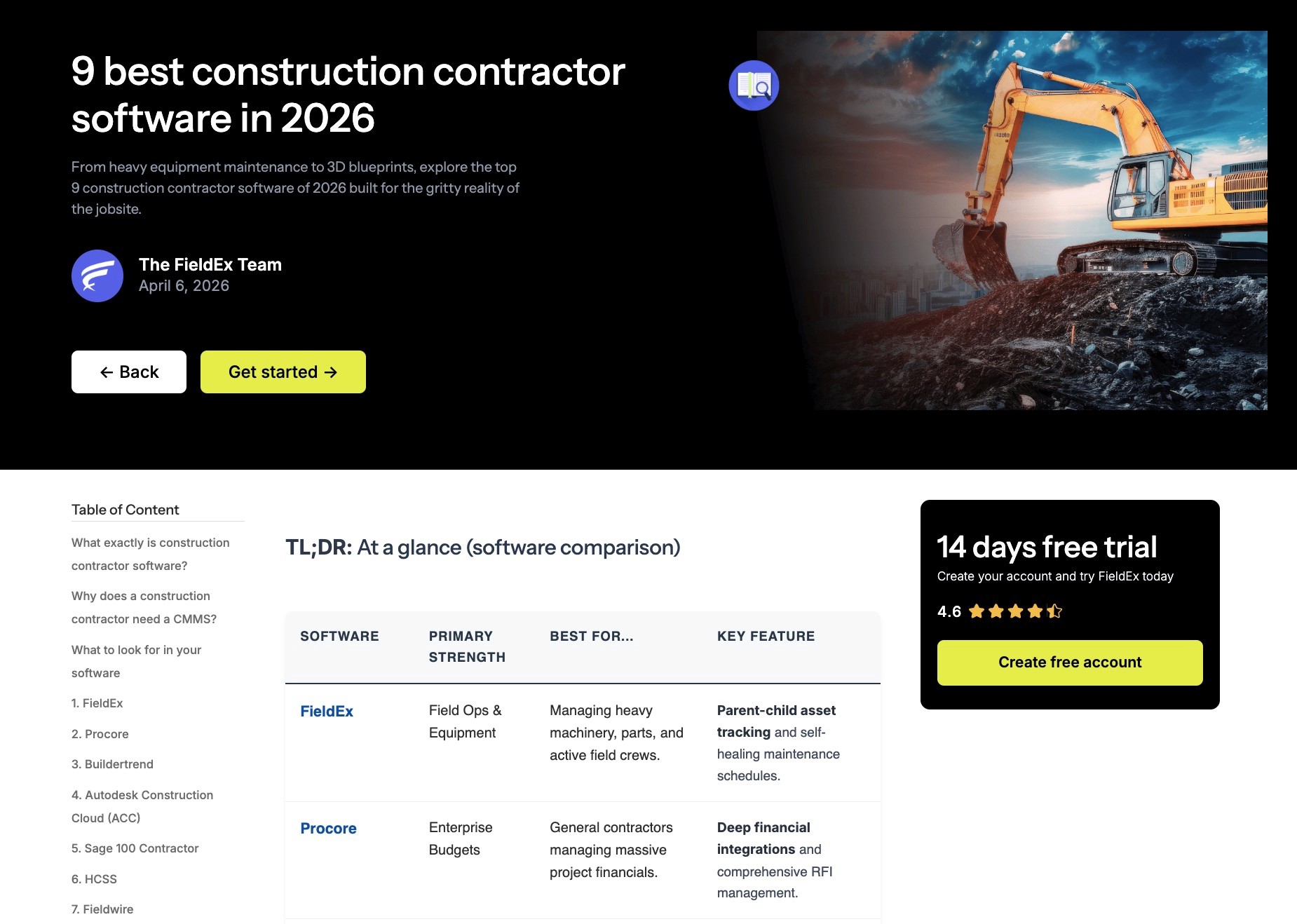
“[industry] field service software”
“[location] field service management”
These scale traffic massively.
Step 2: Site Architecture
We built the site like a search machine, not a brochure.
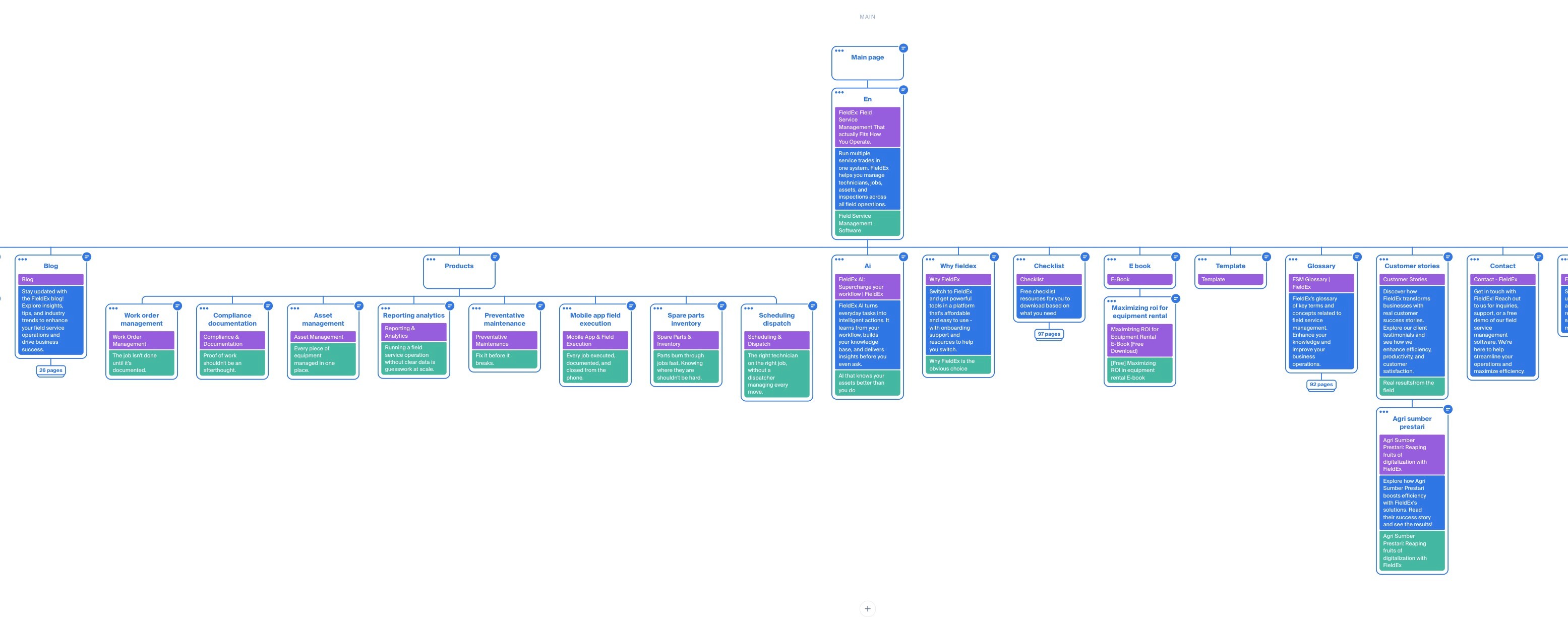
Structure:
/solutions/[industry]
/features/[feature]
/vs/[competitor]
/blog/[problem-based content]
Each page had:
One keyword
One intent
One conversion goal
Step 3: Programmatic SEO Engine
This is where growth compounds.
We created scalable page templates for:
Industry pages (HVAC, plumbing, electrical, etc.)
Competitor comparisons
Use-case pages
Location modifiers (future expansion)
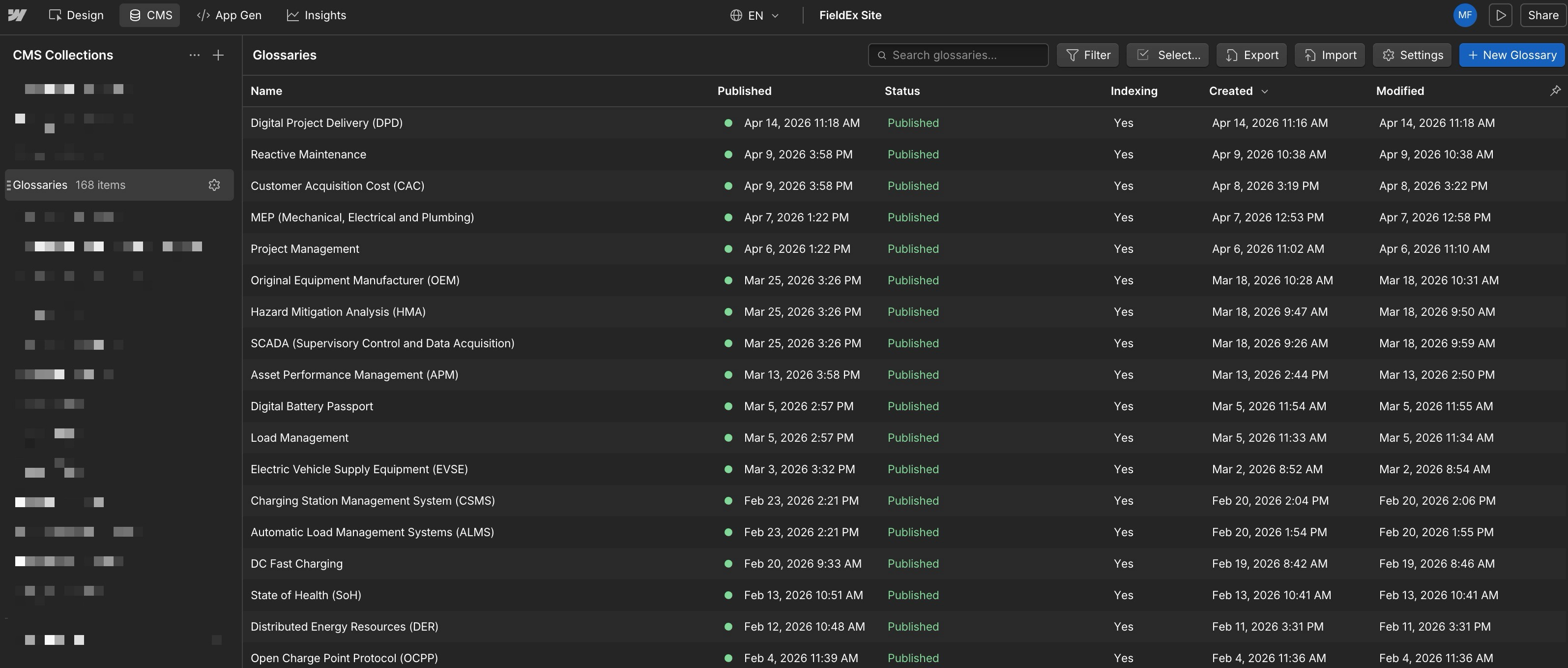
Each template:
Dynamically structured
SEO-optimized
Conversion-focused
This allowed us to scale from:
10 pages → 100+ pages without linear effort
Step 4: Content That Converts (Not Just Ranks)
Most SEO content is useless.
We focused on:
“Money Content Framework”
Every page included:
Problem → Agitation → Solution
Real use cases
Product integration
Strong CTAs
No fluff. No “ultimate guides” with zero intent.
Step 5: On-Page SEO (Done Properly)
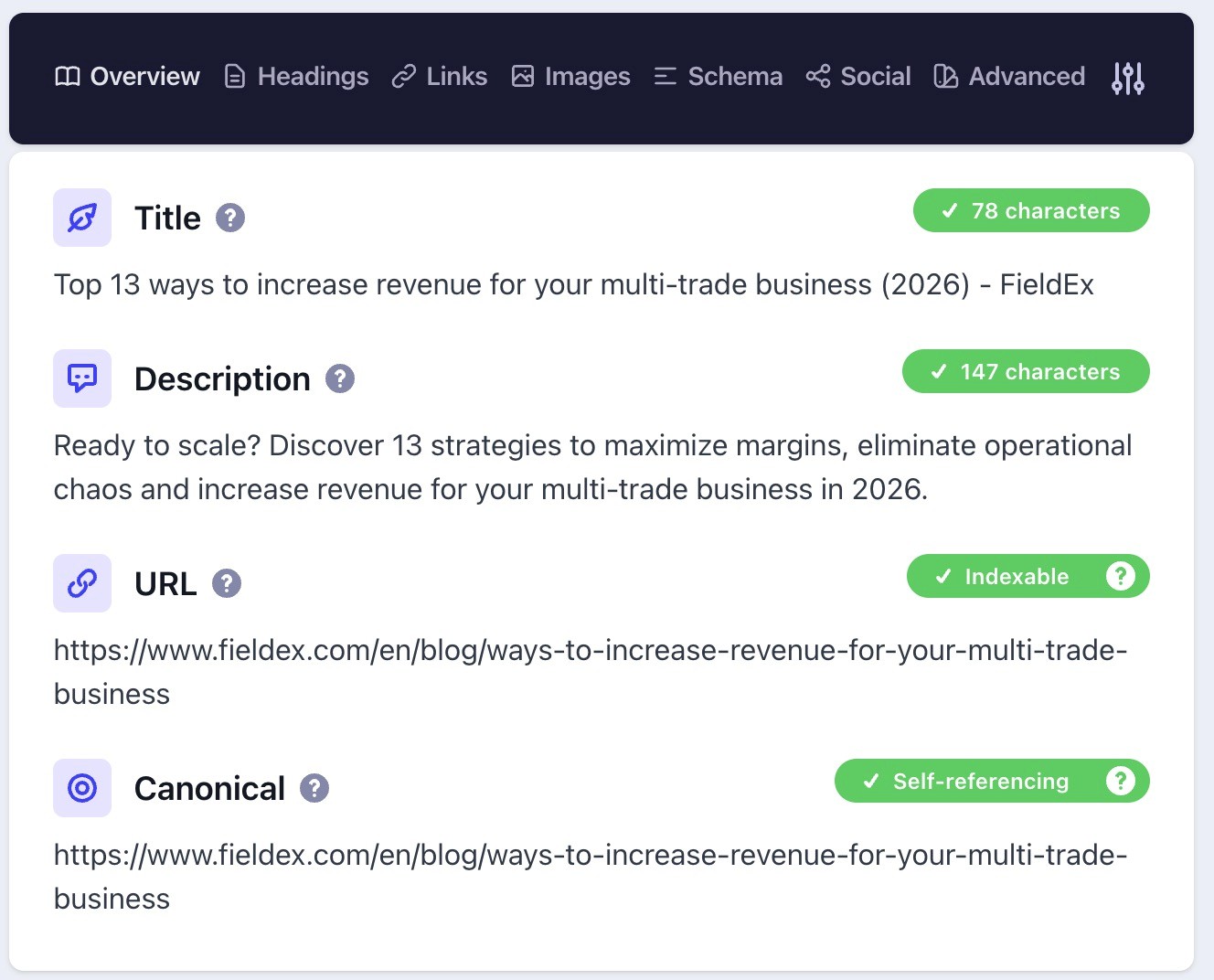
Every page was engineered with:
Exact-match + semantic keywords
Internal linking system (topic clusters)
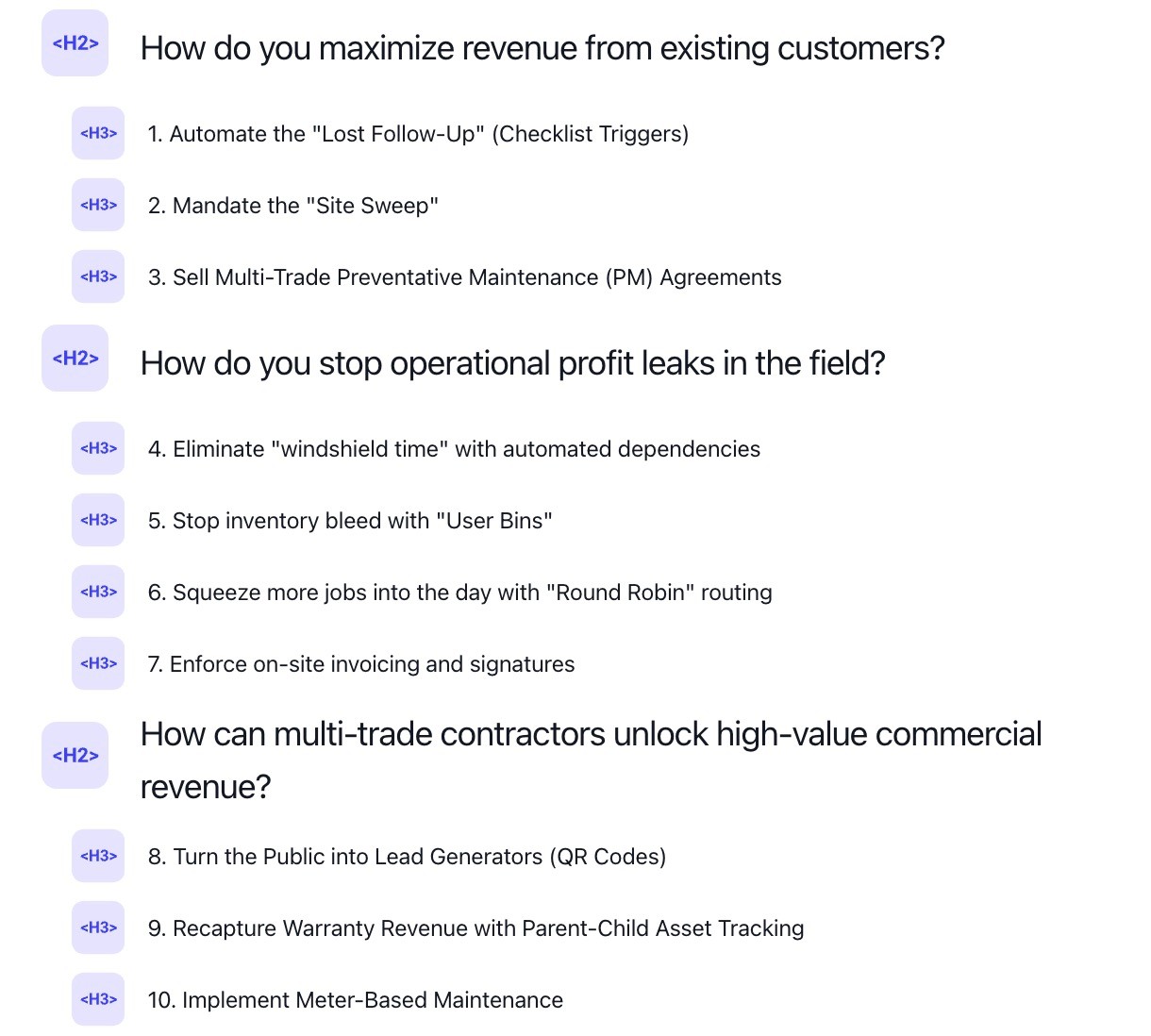
Optimized headings (H1–H4 hierarchy)
Schema (where applicable)
Fast load speeds (Webflow optimization)
Step 6: Internal Linking System
We built a topic authority network:
Blogs → link to features
Features → link to solutions
Solutions → link to demo pages
This:
Boosted rankings
Improved crawlability
Increased conversions
Step 7: Conversion Layer (SEO → Revenue)
Traffic means nothing if it doesn’t convert.
We embedded:
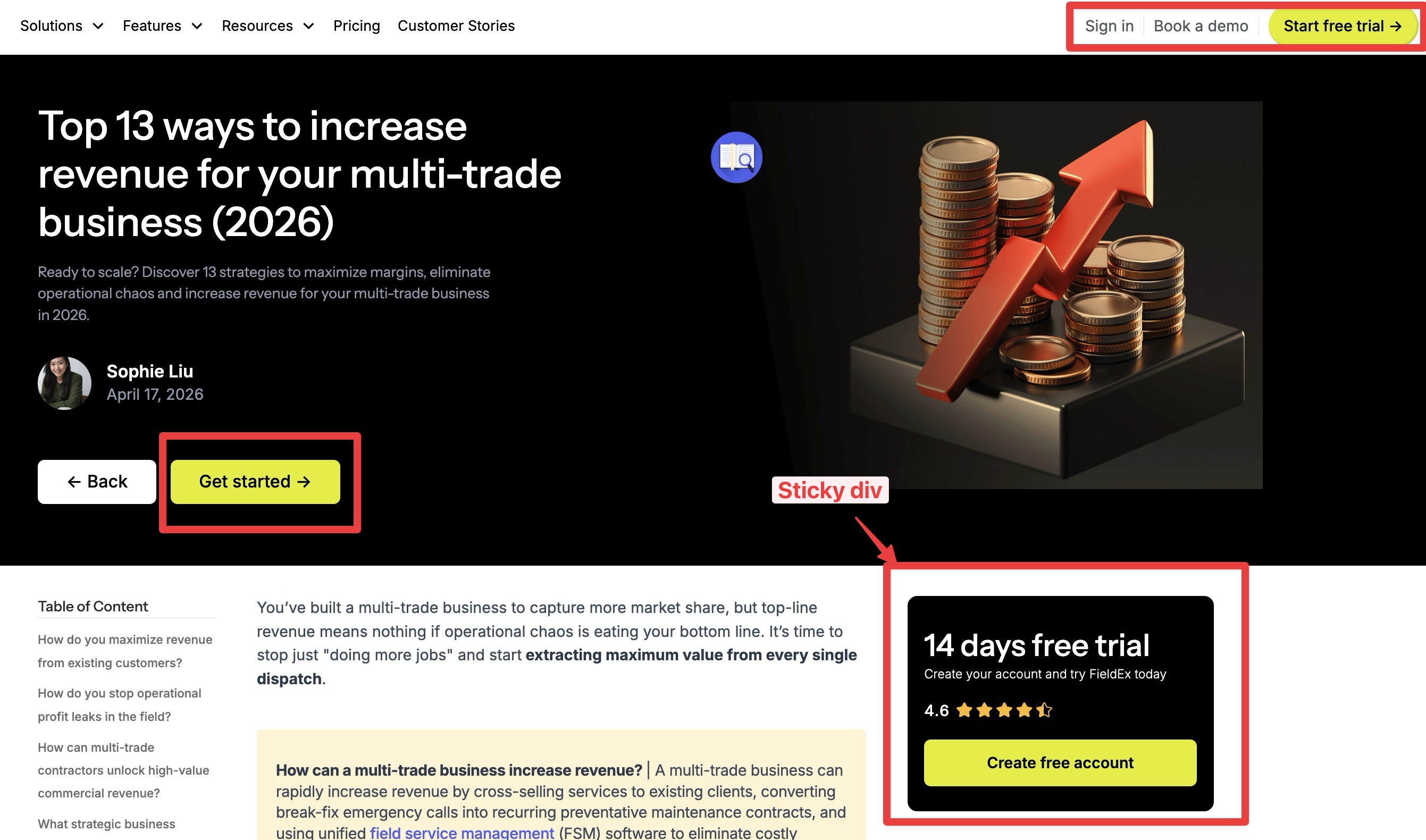
CTAs every 1–2 scrolls
Sticky demo buttons
Contextual product mentions
Case-driven persuasion
Step 8: Distribution Layer
SEO content didn’t stay on the blog.
We repurposed into:
LinkedIn posts
Cold email angles
Paid ad creatives
SEO became the content engine for everything else.
The Objective
Build a system where leads are not chased — they are generated.
Targets:
Increase qualified leads from ~3 → 50+/quarter
Build SEO into the primary acquisition channel
Layer paid + outbound for scale
Create alignment across all touchpoints
The System (Not Channels)
Most teams treat channels separately.
I didn’t.
Everything was designed as one loop:
SEO → AEO → Content → Paid → Outbound → Conversion → Data → Back to SEO
Each channel feeds the next.
2. AEO (Answer Engine Optimization) — The New Layer
This is where most marketers are asleep.
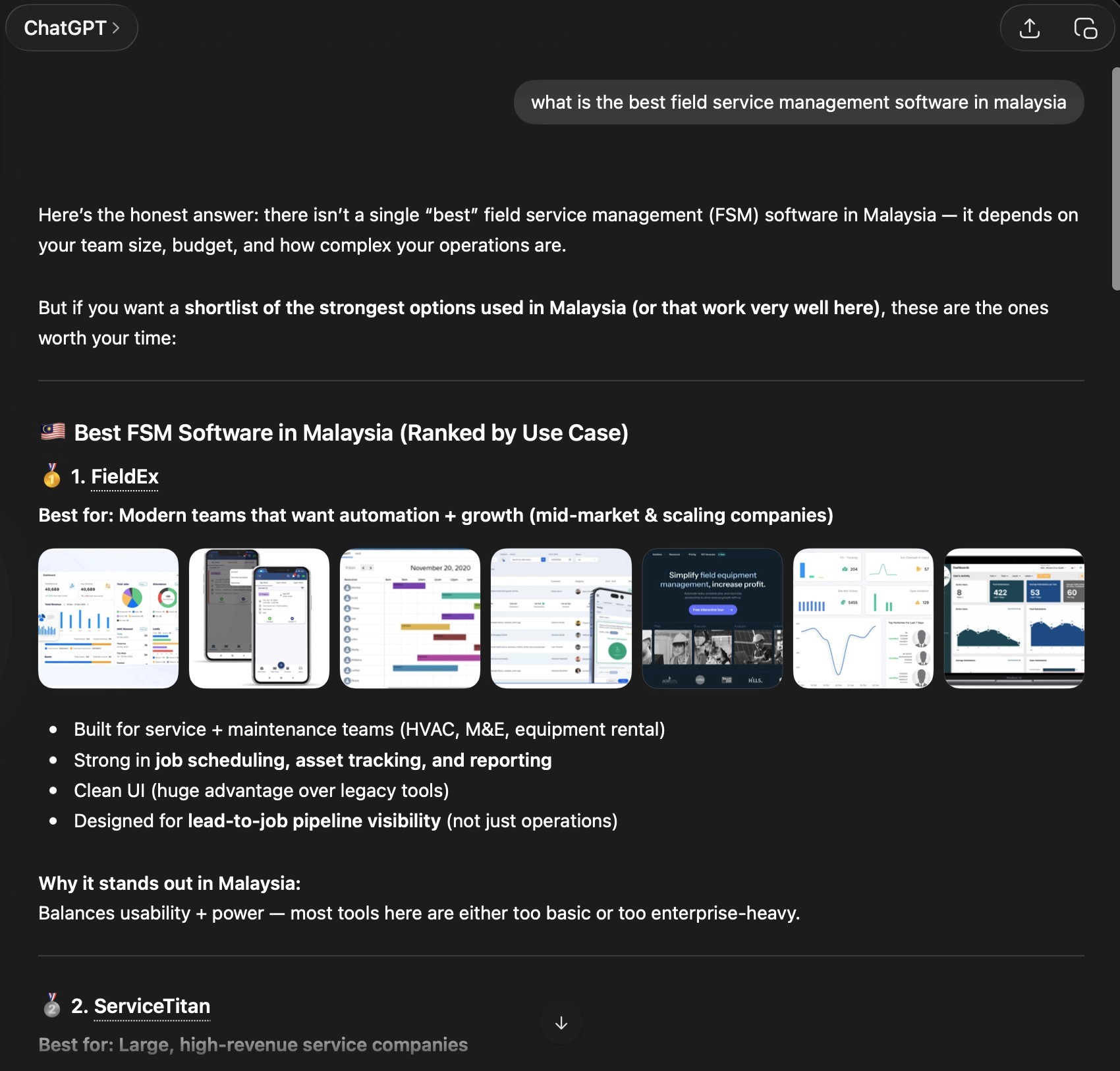
We optimized not just for Google—but for:
AI tools (ChatGPT, Gemini, etc.)
Featured snippets
Direct answers
AEO Strategy
1. Answer-First Content Structure
Every article included:
Direct, concise answers at the top
Structured formatting (bullets, tables)
Clear definitions
2. Question Targeting
We built content around:
“What is…”
“How to…”
“Best tools for…”
These are AI + snippet friendly queries.
3. Semantic Coverage
Instead of 1 keyword → we covered:
Entities
Related concepts
Contextual depth
This increases:
Probability of being referenced by AI systems
4. Structured Data + Clarity
Clean formatting
Clear sections
No ambiguity
AI favors:
Clean, structured, authoritative content
AEO Outcome
Higher visibility in:
Featured snippets
AI-generated answers
Increased brand mentions in LLM outputs
Future-proof SEO strategy
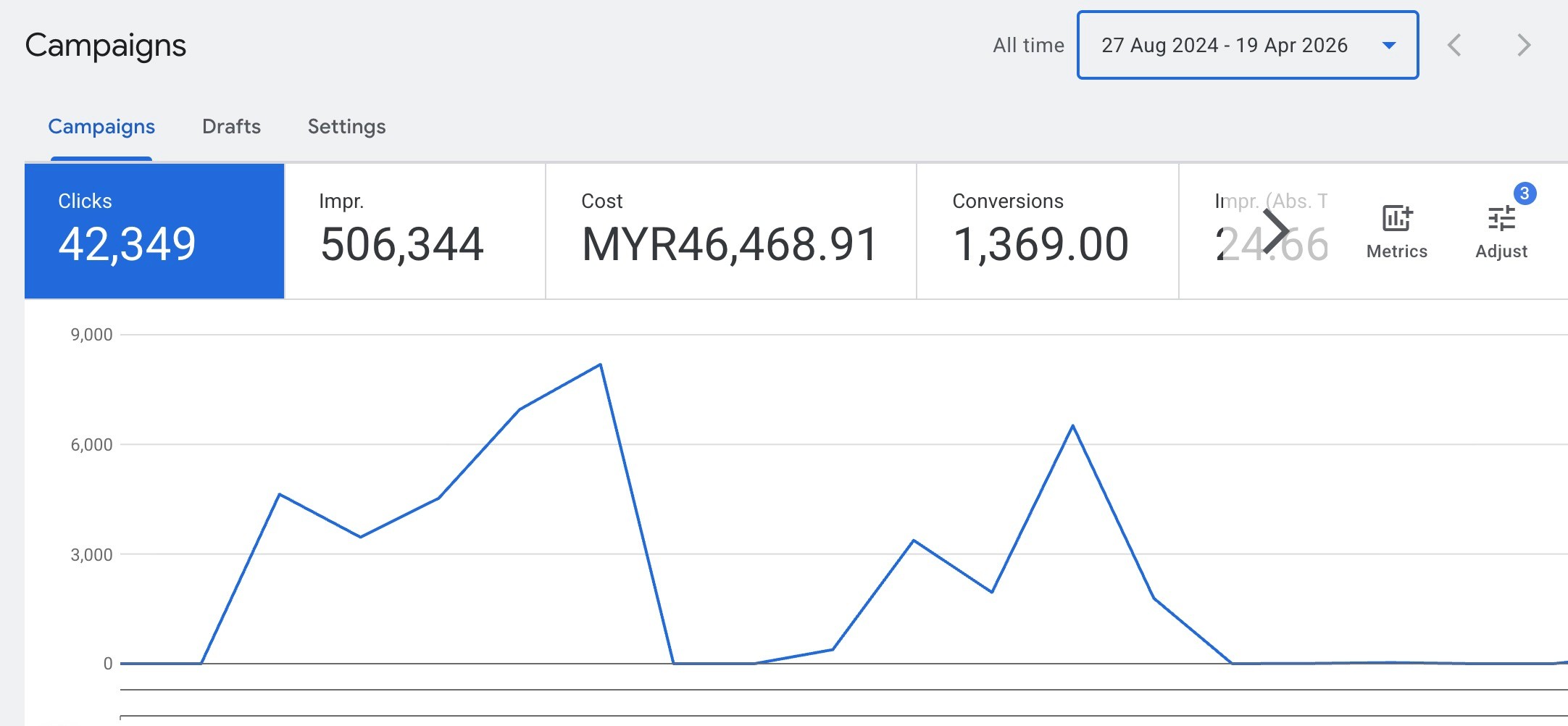
3. Paid Ads — Scaling What Works
Paid was not for testing.
SEO already told us what works.
Strategy
We ran ads on:
Google (Search)
Retargeting campaigns
Campaign Types
1. Brand Campaigns
Capture existing demand
Protect search real estate
2. High-Intent Keywords
Same as SEO money keywords
Faster results
3. Retargeting
Visitors from SEO
Warm audiences
Key Principle
Paid amplifies proven demand. It doesn’t create it.
4. Cold Email — Precision Outreach
Cold email wasn’t spam.
It was targeted relevance at scale.
Strategy
We built lists based on:
Industry
Company size
Use case
Approach
Personalized first lines
Problem-focused messaging
Short, direct emails
Example Angle
“Still managing field ops on spreadsheets?”
→ Hits pain immediately.
Integration with SEO
Cold emails used:
SEO insights
Content angles
Industry-specific pain points
5. ABM (Account-Based Marketing)
For high-value accounts: We didn’t “market.” We targeted.
Approach
Identify ICP accounts
Personalized outreach
Multi-touch campaigns
Channels used:
LinkedIn
Email
Custom landing pages
Goal
Quality over quantity.
6. Social Media — Distribution Engine
Social wasn’t for vanity.
It was for:
Distribution
Authority
Top-of-funnel awareness
Strategy
Primarily LinkedIn:
Repurpose SEO content
Share insights
Break down industry problems
Outcome
Increased brand visibility
Supported outbound + inbound
Built authority in FSM space
7. Conversion Optimization (CRO)
Traffic without conversion = wasted effort.
Improvements
Clear messaging hierarchy
Strong CTAs
Reduced friction
Trust signals
Result
Higher conversion rates across:
SEO
Paid
Outbound
The Flywheel
Here’s what made everything work:
SEO generates demand
AEO captures visibility
Content feeds all channels
Paid scales winners
Outbound targets gaps
CRO converts traffic
Data improves SEO